Press Enter

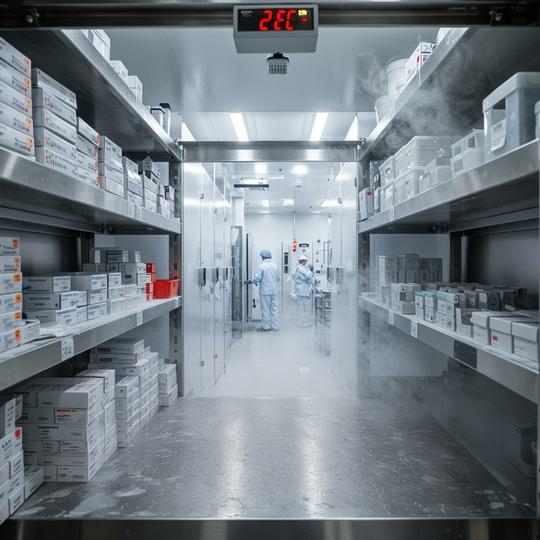
When summer turns up the heat, your facility needs more than just fans and good intentions. If you are storing pharmaceuticals, managing HVAC systems, or operating cleanrooms, summer temperature mapping is a critical process for industries that rely on accurate environmental control.

But here’s the reality: even the best laid temperature mapping plans can fail without the right strategy. If your instruments aren’t calibrated or your sensors are poorly placed, your data can quickly become misleading and costly.

Here are 4 essential tips to get the most out of your temperature mapping project this summer.
1. Calibrate First, Map Second

Before you hit “record” on your data loggers, ask yourself one question: Are they calibrated?

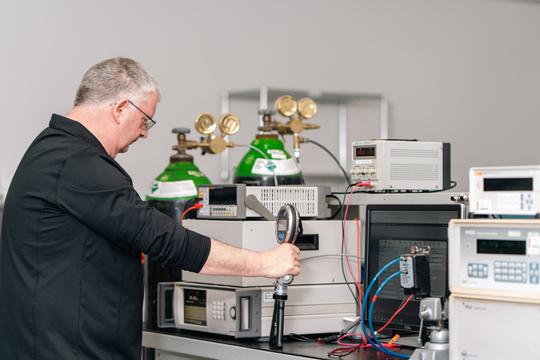
Instrument calibration is the first and most important step in any summer temperature mapping study. Sensors naturally drift over time, and rising ambient temperatures can accelerate that drift. Without recent, traceable calibration, you risk basing critical decisions on inaccurate data.

Why it matters for summer mapping:

Regulatory audits demand verifiable calibration records.

Accurate mapping depends on sensors that can perform reliably under high temperatures.

Avoiding false positives or missed hot zones protects your product and reputation.

Pro Tip:Use an ISO/IEC 17025-accredited calibration lab to ensure your instruments meet industry standards for accuracy, especially during summer's thermal stress.

Alpha Lab 067

2. Map During the Hottest Days

You want to know how your facility performs under pressure, not on a mild spring afternoon. That’s why summer temperature mapping should be done during the hottest part of the season—and ideally, the hottest part of the day.

Why this improves mapping results:

Reveals HVAC inefficiencies when systems are most taxed.

Highlights areas vulnerable to heat infiltration (e.g., near doors or south-facing windows).

Simulates real-world conditions that your facility must withstand for compliance.

Pro Tip: Use forecast tools to identify upcoming heatwaves. Mapping during peak conditions ensures you get worst-case scenario data; and if your systems can handle that, you're in good shape year-round.

Shutterstock 2602979031 edited

3. Think Like Heat: Strategic Sensor Placement

Heat has a mind of its own - it rises, sneaks through cracks, and builds up in hidden corners. Smart data logger placement is crucial for accurate mapping.

Key areas to monitor include:

Ceilings: Hot air naturally rises.

Windows and external walls: These absorb and radiate heat.

Entryways and loading docks: Frequent opening and closing allows hot air intrusion.

Equipment-heavy zones: Machinery often generates localized heat.

Why it matters: Mapping only central or easily accessible spots gives a false sense of uniformity. Uneven temperature distribution can jeopardize sensitive products or create HVAC inefficiencies.

Pro Tip: Consider using thermal imaging before placing sensors to identify unexpected hot spots. A little prep work goes a long way.

Shutterstock 2593913961 edited

 4.Let the Data Talk: Analyze and Act

Once your summer mapping is complete, it’s time to do something with the data.

Don’t just file it away - analyze it for patterns:

Are specific zones frequently out of spec?

Do certain times of day trigger temperature spikes?

Is there evidence of equipment failure or airflow issues?

Data analysis helps you:

Optimize HVAC performance.

Adjust airflow and insulation.

Identify structural or operational weaknesses.

Prepare for audits with confidence.

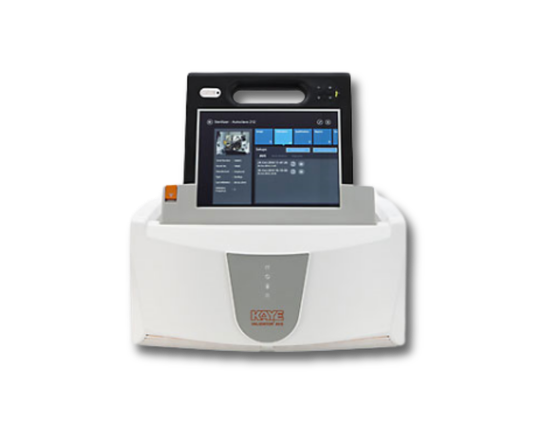
Pro Tip: Use temperature mapping software to visualize trends and generate automatic alerts. It makes your insights actionable and audit-friendly. 

Validator AVS 2025 Product Radar Blog

Turn Up the Reliability, Not the Heat

Summer temperature mapping isn’t just a seasonal task—it’s a strategic move to ensure year-round stability, product safety, and regulatory compliance.

With properly calibrated temperature monitoring instruments, thoughtful sensor placement, and smart data analysis, you can stay ahead of environmental fluctuations and system inefficiencies, even during the hottest days of the year.

Partner with Alpha Controls & Instrumentation

At Alpha Controls & Instrumentation, we offer:

ISO/IEC 17025-accredited calibration services for your loggers and sensors.

A wide range of precision temperature monitoring solutions.

Expert support to help you design and execute your summer mapping project with confidence.

Ready to improve your summer temperature mapping strategy?

Contact us to calibrate your tools, optimize your mapping plan, and keep your operation compliant—no matter how high the temperature rises.